
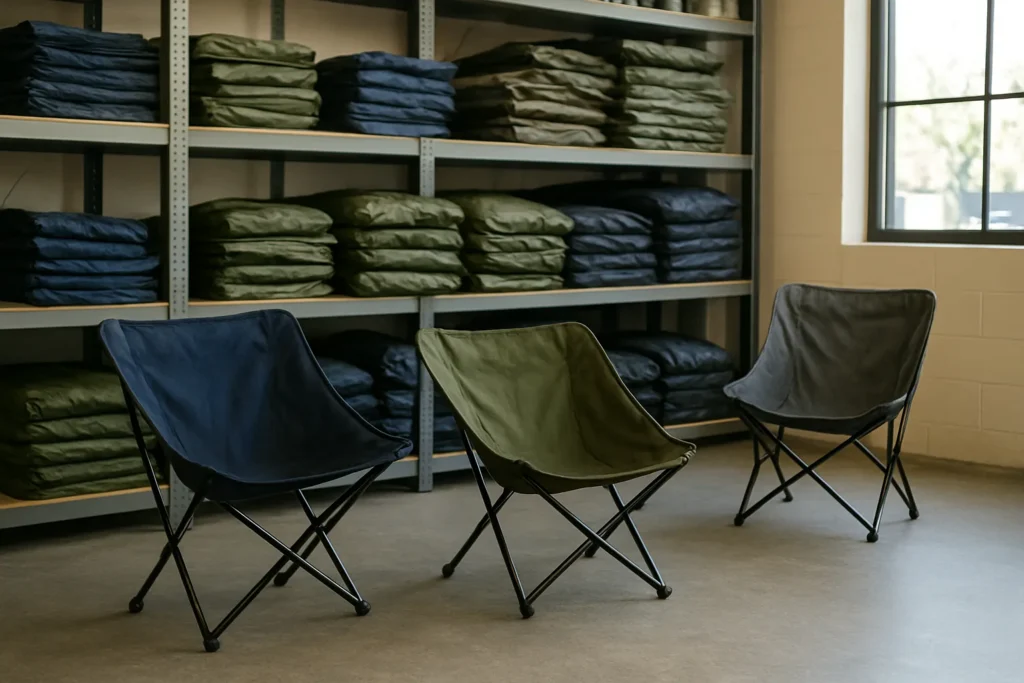
Mastering Bulk Purchasing of Portable Camping Chairs for Retailers
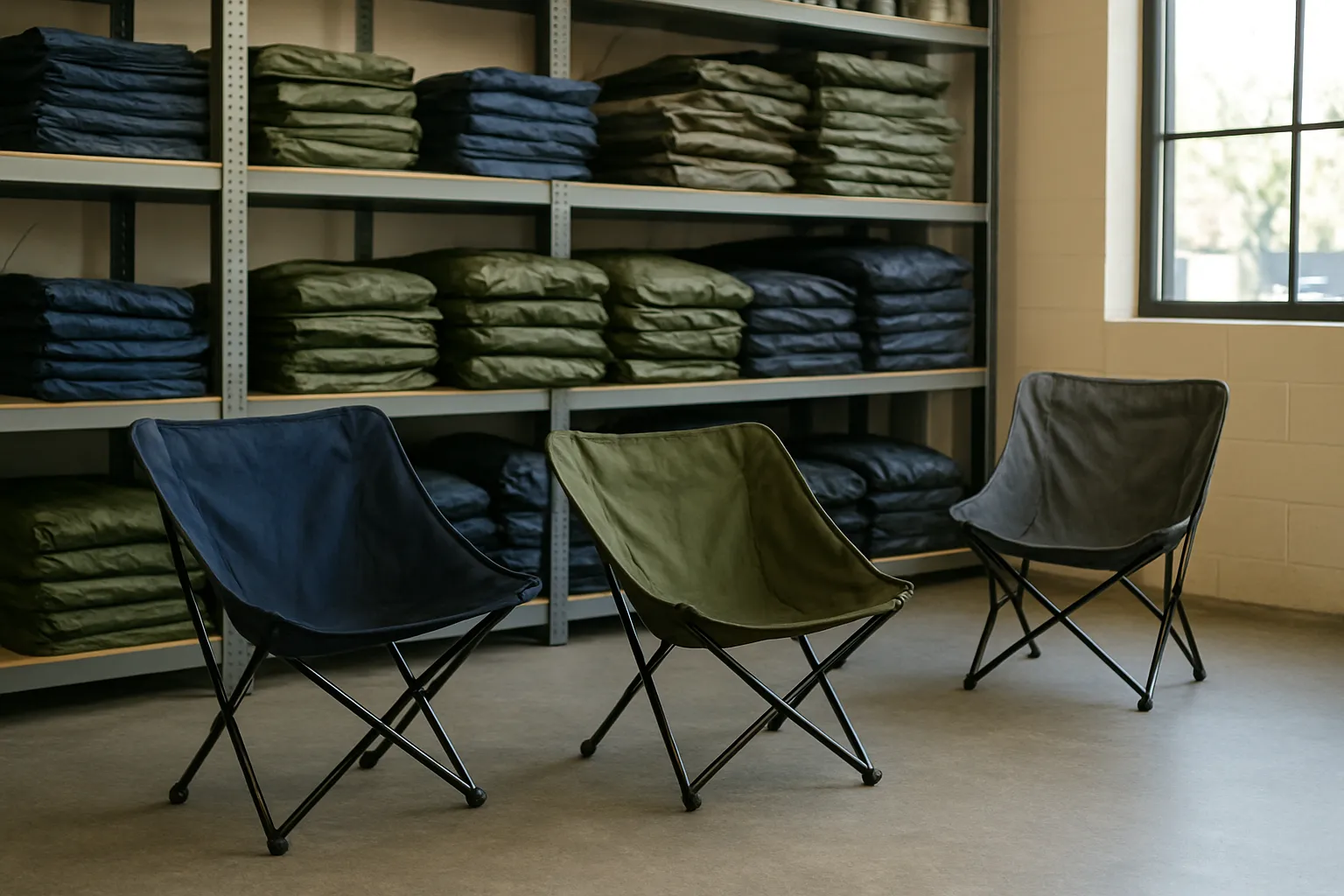
In the competitive landscape of outdoor retail, grasping the intricacies of bulk purchasing can significantly influence a retailer’s success. Bulk purchasing, especially of portable camping chairs, is essential for outdoor retailers aiming to meet customer demands while optimizing operational efficiency. Portable camping chairs are not just a staple in camping gear; they appeal to a broad spectrum of outdoor enthusiasts. In my experience, understanding why bulk purchases of portable camping chairs are crucial can enhance a retailer’s strategy. This article explores specifications, use cases, sourcing strategies, and implementation practices that can elevate your business.
Specifications of Portable Camping Chairs
When considering a bulk purchase of portable camping chairs, understanding their specifications is vital for making informed decisions.
- Materials and Durability: Portable camping chairs are typically constructed from lightweight yet durable materials like aluminum frames and weather-resistant fabrics. Retailers should prioritize chairs that exhibit high durability to withstand various outdoor conditions, ensuring customer satisfaction and minimizing return rates.
- Weight Capacity and Portability: Different models present varying weight capacities, generally ranging from 250 to 500 pounds. Retailers must consider the portability aspect, as many consumers seek lightweight options that are easy to carry. Chairs that fold compactly are particularly appealing for camping and outdoor events.
- Design Features and Comfort: Comfort is paramount in selling portable camping chairs. Features such as padded seats, cup holders, and adjustable armrests can significantly enhance user experience. I believe retailers should focus on models that strike a balance between comfort and portability, catering to a broader audience.
Use Cases for Bulk Purchasing
Bulk purchasing of portable camping chairs serves multiple strategic purposes.
- Seasonal Demand and Inventory Management: Outdoor activities peak during certain seasons, necessitating effective inventory management. By purchasing in bulk, retailers can ensure they are well-stocked to meet the influx of customers during peak camping seasons, avoiding stockouts and lost sales.
- Catering to Different Customer Segments: Different customer segments, from casual campers to serious outdoor enthusiasts, have varying needs. Bulk purchasing allows retailers to offer a diverse range of chairs, enhancing overall customer satisfaction.
- Enhancing Retailer Reputation: Providing a broad variety of quality camping gear, including portable chairs, can significantly boost a retailer’s reputation. Satisfied customers are likely to return and recommend the store, leading to increased sales and brand loyalty.
Comparison of Bulk Purchase Options
Outdoor retailers have numerous options when sourcing portable camping chairs.
- Local vs. International Suppliers: Local suppliers may offer quicker turnaround times and lower shipping costs, while international suppliers might provide more competitive pricing. Retailers should weigh the benefits of each based on their specific needs and market demands.
- Price Variations and Quality Considerations: While price is a significant factor in bulk purchasing, quality should not be compromised. Retailers must ensure that the chairs they procure meet quality standards, as poor-quality products can lead to negative customer experiences.
- Shipping and Delivery Timelines: Timely delivery is crucial for maintaining inventory levels. Retailers should consider suppliers’ shipping timelines, especially during peak seasons, to ensure they can meet customer demands without delays.
Sourcing Strategies for Outdoor Retailers
Effective sourcing strategies are essential for successful bulk purchasing.
- Identifying Reliable Suppliers: Retailers should conduct thorough research to identify suppliers with a proven track record of quality and reliability. This may involve reading reviews, attending trade shows, or seeking recommendations from industry peers.
- Negotiating Bulk Purchase Agreements: Once reliable suppliers are identified, negotiating favorable terms is crucial. This includes discussing pricing, payment terms, and return policies to ensure a beneficial partnership.
- Evaluating Supplier Performance: Ongoing evaluation of supplier performance is important. Retailers should monitor aspects such as product quality, delivery timeliness, and customer service to ensure they are receiving the best value.
Implementation of Bulk Purchases
Implementing bulk purchases effectively is vital for maximizing their benefits.
- Inventory Management Best Practices: Retailers should adopt best practices in inventory management, such as utilizing inventory management software to track stock levels and sales trends. This will help in making informed decisions about future bulk purchases.
- Marketing Strategies for New Stock: Once new stock arrives, effective marketing strategies should be employed, including promotional campaigns, social media marketing, and in-store displays to attract customers.
- Customer Engagement and Feedback: Engaging with customers and seeking feedback on new products can provide valuable insights. Retailers should encourage reviews and testimonials to understand customer preferences better.
Frequently Asked Questions
- What are the benefits of bulk purchasing? Bulk purchasing allows retailers to save on costs, manage inventory efficiently, and effectively meet customer demand.
- How to choose the right portable camping chairs? Retailers should consider factors such as materials, weight capacity, design features, and customer preferences when selecting portable camping chairs.
- What are the common pitfalls in bulk purchasing? Common pitfalls include overestimating demand, neglecting quality checks, and failing to establish clear agreements with suppliers.
In conclusion, bulk purchasing of portable camping chairs is a strategic move for outdoor retailers looking to enhance their product offerings and streamline operations. By understanding the specifications, use cases, and sourcing strategies, retailers can make informed decisions that will ultimately lead to increased customer satisfaction and business growth.